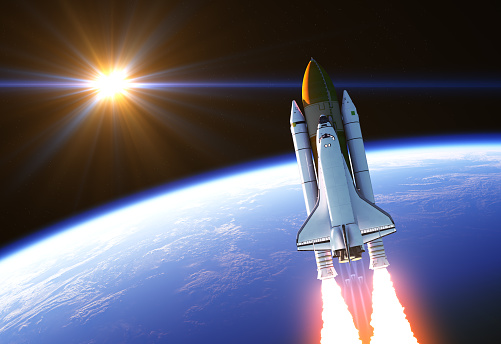
Space exploration and research is a fascinating and rapidly developing field that has captured the imaginations of people all around the world for decades. From the earliest days of human history, people have gazed up at the stars and wondered what lay beyond our own planet. It was not until the 20th century that humanity made significant strides in actually exploring space, and today we have a vast array of space agencies around the world dedicated to advancing our knowledge of the cosmos. In this blog, we will take a deep dive into the history of space exploration and research, and explore some of the key players in this exciting field.
The early days of space exploration
The idea of space exploration can be traced back to ancient times, when people first began to observe the stars and planets in the sky. However, it was not until the mid-20th century that humanity began to make significant strides in actually exploring space. In 1957, the Soviet Union launched the first satellite, Sputnik 1, into orbit around the Earth. This marked the beginning of the space race between the United States and the Soviet Union, as both countries vied to be the first to achieve a variety of space exploration milestones.
The first human in space was Soviet cosmonaut Yuri Gagarin, who orbited the Earth on April 12, 1961. The United States responded by launching astronaut Alan Shepard into space in May 1961, and the race to the Moon was on. In 1969, the United States achieved the ultimate space exploration milestone, landing astronauts Neil Armstrong and Edwin "Buzz" Aldrin on the Moon as part of the Apollo 11 mission.
Space agencies around the world
Today, there are a variety of space agencies around the world dedicated to advancing our understanding of space and pushing the boundaries of human exploration. Here are some of the key players in the field:
NASA (National Aeronautics and Space Administration)
NASA is the space agency of the United States and is responsible for many of the country's most iconic space exploration missions. Founded in 1958, NASA has been responsible for launching a variety of satellites, probes, and manned missions into space. Some of NASA's most notable accomplishments include the Apollo missions, which put the first humans on the Moon, and the Space Shuttle program, which ran from 1981 to 2011 and saw numerous manned missions to space. Today, NASA is focused on a variety of missions, including sending humans to Mars and studying the Earth from space.

Roscosmos (Russian Federal Space Agency)
Roscosmos is the space agency of Russia and is responsible for many of the country's most significant space exploration achievements. Founded in 1992 after the collapse of the Soviet Union, Roscosmos has been responsible for launching numerous satellites, probes, and manned missions into space. Some of Roscosmos's most notable accomplishments include sending the first human into space (Yuri Gagarin), launching the first satellite (Sputnik 1), and building the Mir space station. Today, Roscosmos is focused on a variety of missions, including building a permanent base on the Moon and exploring Mars.

ESA (European Space Agency)
The European Space Agency is an intergovernmental organization made up of 22 member states, including France, Germany, Italy, and the United Kingdom. Founded in 1975, ESA is responsible for launching a variety of satellites and probes into space, as well as developing technology for space exploration. Some of ESA's most notable accomplishments include launching the Huygens probe to land on Titan (one of Saturn's moons) and building the International Space Station in collaboration with NASA and Roscosmos. Today, ESA is focused on a variety of missions, including exploring the outer planets of our solar system and studying the universe.

ISRO
The Indian Space Research Organization (ISRO) is one of the premier space agencies in the world, with a history of pioneering achievements and ambitious goals for the future. Founded in 1969, ISRO has played a vital role in developing India's space technology and advancing the country's scientific capabilities.
ISRO's Achievements
One of ISRO's earliest achievements was the successful launch of the Aryabhata satellite in 1975, which made India the seventh nation to put a satellite into orbit. Since then, ISRO has continued to make significant strides in space exploration and research. In 2008, ISRO launched the Chandrayaan-1 spacecraft, which discovered water on the Moon and helped pave the way for future lunar exploration. In 2014, ISRO successfully launched the Mars Orbiter Mission (MOM), making India the first country to successfully reach Mars on its first attempt. The MOM spacecraft continues to orbit Mars today, sending back valuable scientific data and images of the Red Planet.
ISRO's Current and Future Projects
ISRO is currently involved in a wide range of projects aimed at expanding India's space capabilities and furthering our understanding of the universe. Some of the key projects underway at ISRO include:
Gaganyaan: India's first manned space mission, which is scheduled to take place in 2022. The mission will involve sending three astronauts into space aboard an Indian spacecraft, marking a major milestone in India's space exploration efforts.
Aditya-L1: A solar observatory mission scheduled for launch in 2022, which will study the Sun's corona and help scientists better understand the workings of our solar system's star.
Chandrayaan-3: The follow-up to ISRO's successful Chandrayaan-2 mission, which will aim to land a rover on the Moon's south pole to study the lunar surface and search for water.
Mars Orbiter Mission 2: A planned follow-up to the successful MOM mission, which will involve sending a new spacecraft to Mars to continue studying the planet and its atmosphere.
ISRO's Impact on India and the World
ISRO's achievements have had a significant impact not just on India, but on the world as a whole. ISRO's space technology has been used in a variety of applications, from weather forecasting to communication and navigation systems. ISRO's work in remote sensing and satellite imaging has also had a major impact on agriculture, forestry, and disaster management in India and beyond.
ISRO has also played a key role in promoting international cooperation in space exploration and research. ISRO has collaborated with a variety of space agencies around the world, including NASA, the European Space Agency, and the Russian Federal Space Agency. These partnerships have led to the development of innovative new technologies and scientific discoveries that have advanced our understanding of the universe.
In conclusion, the Indian Space Research Organization is a true pioneer in space exploration and research, with a proud history of achievements and ambitious goals for the future. With its focus on innovation, collaboration, and pushing the boundaries of what is possible, ISRO is poised to continue making significant contributions to the world of space exploration for years to come.
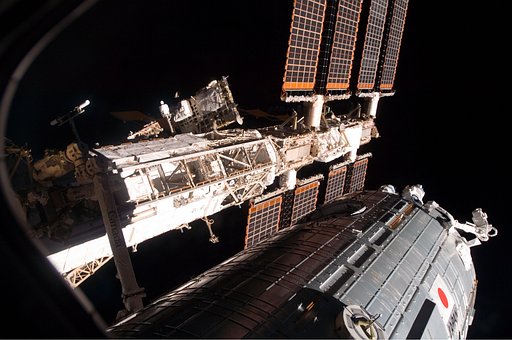
JAXA
The Japan Aerospace Exploration Agency, or JAXA, is the national space agency of Japan. Founded in 2003, JAXA is responsible for conducting research and development in the fields of space exploration, space technology, and aerospace science. JAXA has a long history of innovation and achievement in space exploration, and is recognized as one of the most important space agencies in the world.
History of JAXA
JAXA was formed by the merger of three Japanese space organizations: the Institute of Space and Astronautical Science (ISAS), the National Aerospace Laboratory of Japan (NAL), and the National Space Development Agency of Japan (NASDA). These three organizations had been working separately on various space projects for many years, and the merger was seen as a way to streamline their efforts and increase efficiency.
Since its founding, JAXA has been involved in a wide variety of space exploration missions, both within Japan and in collaboration with other space agencies around the world. Some of JAXA's most notable accomplishments include:
Launching the first Japanese satellite, Ohsumi, in 1970
Sending the first Japanese astronaut, Mamoru Mohri, into space in 1992
Conducting a successful mission to the asteroid Itokawa in 2005
Collaborating with NASA on the International Space Station (ISS) and contributing key components to its construction, including the Japanese Experiment Module (JEM)
Sending the first Japanese rover, MINERVA, to explore the surface of an asteroid in 2018
Current projects and future goals
JAXA is currently involved in a wide variety of space exploration projects, with a focus on developing advanced space technology and conducting research that will help to advance our understanding of the universe. Some of JAXA's current projects include:
The Hayabusa2 mission, which is currently exploring the asteroid Ryugu and is scheduled to return to Earth with samples in 2020
The Martian Moons exploration (MMX) mission, which is set to launch in 2024 and will explore the Martian moons Phobos and Deimos
The Smart Lander for Investigating Moon (SLIM) mission, which is scheduled to launch in 2021 and will test technology for landing on the moon
The XRISM (X-ray Imaging and Spectroscopy Mission) mission, which is set to launch in 2022 and will study the X-ray emissions from various celestial bodies
JAXA is also working to develop new technologies that will help to advance space exploration, such as the H-II Transfer Vehicle (HTV), which is a robotic spacecraft designed to transport supplies to the ISS. In addition, JAXA is involved in a variety of international collaborations, including the ISS and the Lunar Gateway project, which is a planned space station that will orbit the moon and serve as a staging area for future lunar missions.
Conclusion
JAXA is a highly respected and innovative space agency that has made significant contributions to the field of space exploration. With a focus on developing advanced technology and conducting cutting-edge research, JAXA is poised to continue making important discoveries and pushing the boundaries of human knowledge. As the agency looks toward the future, it is clear that JAXA will play an important role in the ongoing exploration of our universe.

CNSA
The China National Space Administration (CNSA) is the national space agency of the People's Republic of China. Founded in 1993, CNSA is responsible for planning and carrying out China's space exploration and research activities. Over the past few decades, CNSA has made significant strides in advancing China's space program and cementing its status as a major player in the global space community.
Missions and accomplishments
Since its founding, CNSA has launched a variety of satellites, probes, and manned missions into space. Some of the agency's most notable accomplishments include:
Launching the first Chinese astronaut, Yang Liwei, into space aboard the Shenzhou 5 spacecraft in 2003.
Landing the first Chinese spacecraft on the Moon, the Chang'e 1 orbiter, in 2007.
Launching the Tiangong-1 space laboratory in 2011, which hosted two manned missions and served as a prototype for China's future space station.
Landing the Chang'e 3 spacecraft on the Moon in 2013, which carried the Yutu rover and marked the first soft landing on the Moon since 1976.
Launching the Chang'e 4 spacecraft in 2018, which became the first spacecraft to land on the far side of the Moon.
In addition to these accomplishments, CNSA has also launched a variety of Earth observation, navigation, and communication satellites, as well as probes to study the Sun, Mars, and other celestial bodies.
Future plans
CNSA has ambitious plans for the future of China's space program. One of the agency's primary goals is to build a permanent space station in orbit around the Earth. In 2021, CNSA launched the core module of this space station, called Tianhe, which will serve as the central hub for the station's modules and experiments. The agency plans to launch additional modules and crewed missions to the station in the coming years, with the goal of completing the station by 2022.
CNSA is also planning a variety of robotic and manned missions to explore the Moon and Mars. In 2023, the agency plans to launch the Chang'e 6 mission, which will collect samples from the Moon's south pole and return them to Earth. CNSA is also planning a series of robotic and manned missions to Mars, including the Tianwen-1 orbiter and rover mission, which arrived at Mars in February 2021, and a planned sample return mission in the 2030s.
Challenges and collaborations
As with any space agency, CNSA faces a variety of challenges in advancing China's space program. One of the primary challenges is developing and testing new technologies for space exploration, particularly for crewed missions to the Moon and Mars. CNSA is also working to establish international collaborations with other space agencies, including NASA and ESA, to share data, technologies, and expertise. These collaborations have the potential to advance space exploration and research on a global scale, but may also face political and diplomatic challenges.
The China National Space Administration has made significant strides in advancing China's space program over the past few decades, with a variety of accomplishments in manned and robotic space exploration. With ambitious plans for the future, including building a space station, exploring the Moon and Mars, and collaborating with other space agencies, CNSA is poised to continue its leadership in the global space community.
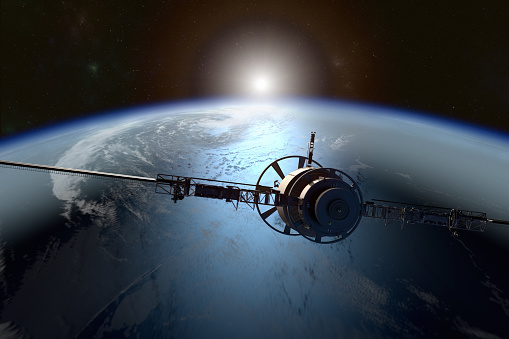
The exploration of space is one of the greatest achievements of mankind. It has been an important field of scientific research and discovery, revealing new knowledge about our universe, our place in it, and our origins. Space exploration has been an incredible journey of discovery that has led to many advancements in technology and has expanded our understanding of the world around us.
IF INTERESTED MORE IN SUCH TYPE OF CONTENT CLICK ON THE LINK BELOW
HTTPS://SPACETALKSSPARK47.BLOGSPOT.COM/2023/01/EXPLORING-FINAL-FRONTIER-ARGUMENT-FOR.HTML