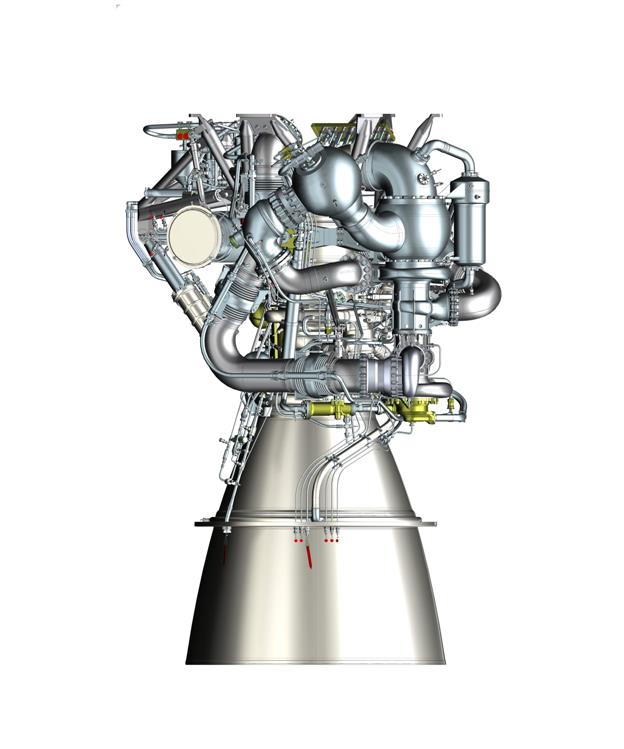
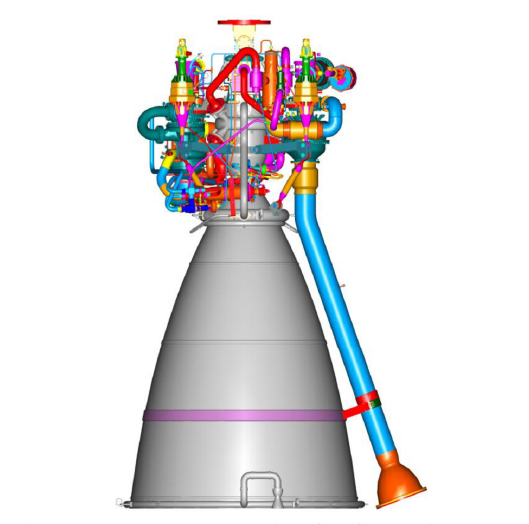
Cryogenic engines are a type of fuel propulsion system used in certain spacecrafts. The term 'cryogenic' refers to the extremely cold temperatures of the fuel used in the engines. This type of engine was first developed for use in space exploration by American physicist Robert Goddard in the 1920s.
The fuel used in cryogenic engines is usually liquid hydrogen or liquid oxygen. It is kept at extremely low temperatures to reduce its volume, allowing more of it to be stored in a smaller space. This type of engine is considered more efficient than traditional sources of fuel, as the chemical reactions it produces generate more thrust with less energy.
The principle behind cryogenic engines is simple. When the fuel is ignited, the resulting chemical reaction creates an expansion of gas and heat. This pushes the rocket forward, generating the thrust needed to move it. The engines are further refined by adding various additives and compressing the fuel, allowing for more efficient combustion and greater thrust.
As of today, cryogenic engines are used by many countries for space exploration, military, and commercial applications. These engines are used in a variety of spacecrafts, such as satellites, unmanned probes, and even human-crewed spacecrafts.
Cryogenic engines are a reliable and efficient source of fuel propulsion, and have helped to revolutionize space exploration. As more countries continue to invest in space exploration, cryogenic engines will likely become even more widely used.
🙂
ReplyDelete